
For Glamping near Hull (three words not often run together!!!
Brilliant by Tom Gauld in today’s Guardian

Brilliant by Tom Gauld in today’s Guardian

Diary column, No 1627, 5 July 2024,
And we really need it now.
*say Farage to sound like “garage” and it’s much better.
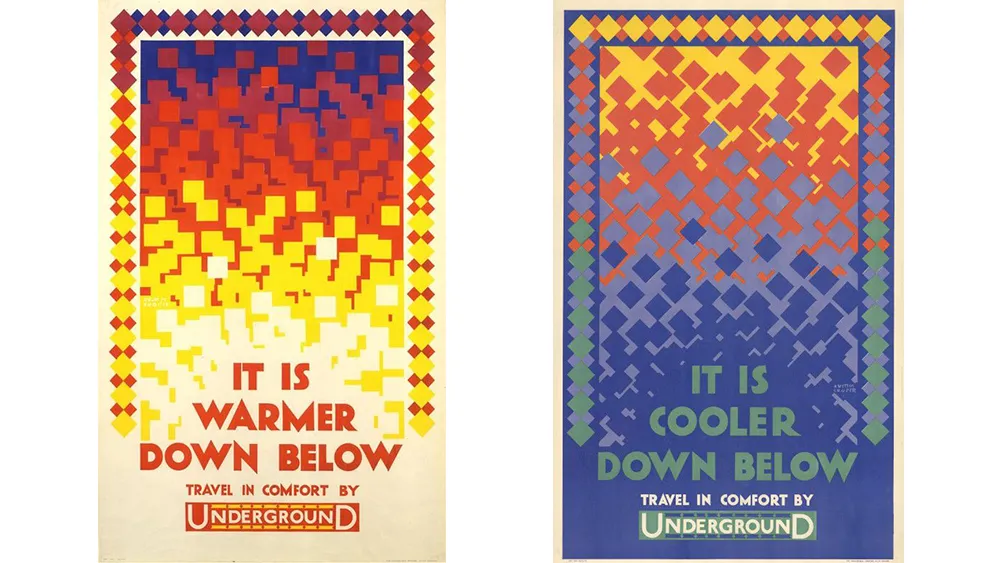
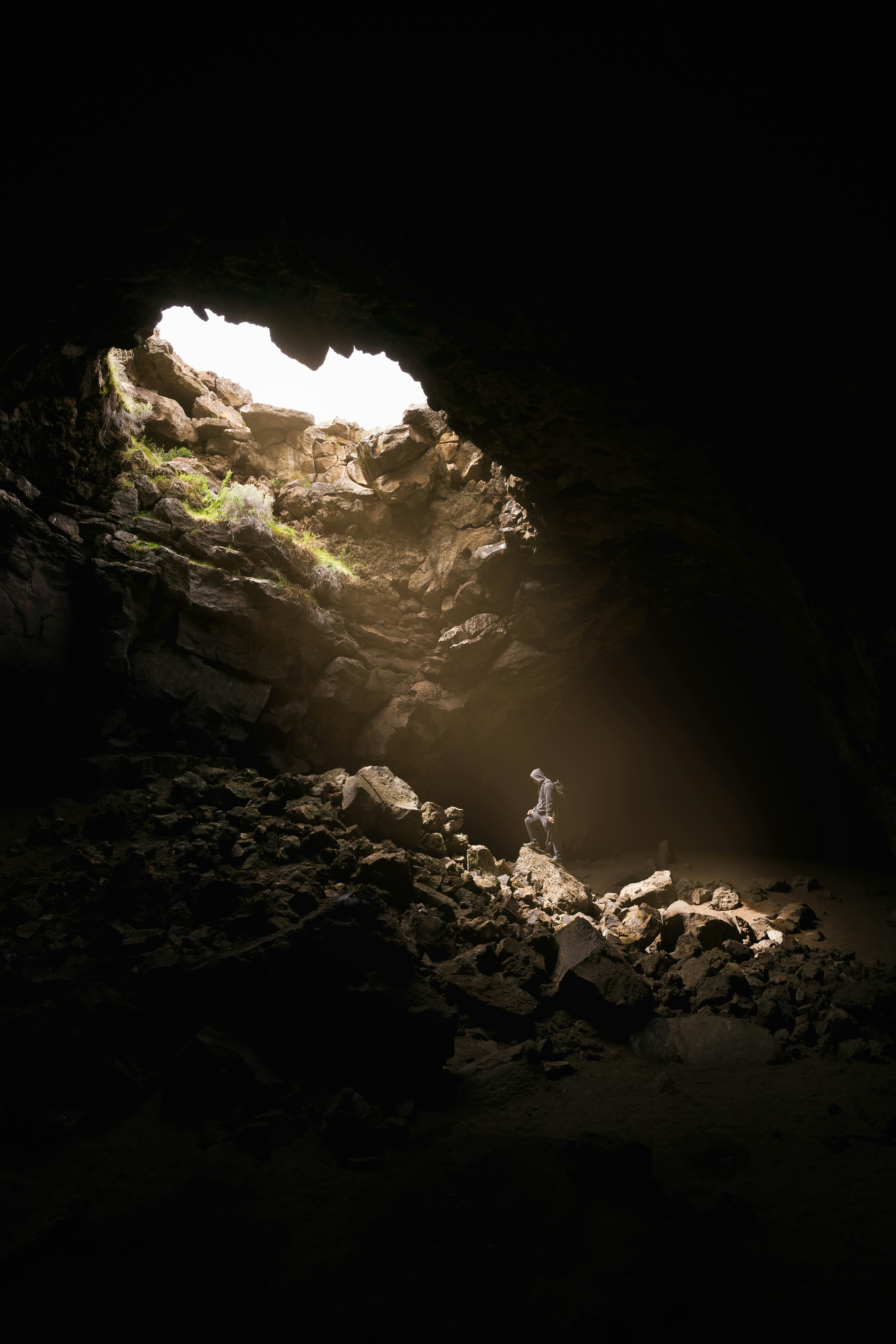
The American singer-songwriter, Portia Nelson, was attending a writers’ workshop when she was asked to compose her autobiography in five short chapters. This is what she scrawled on a quintet of notecards. Perhaps you know it.
Chapter 1
I walk down the street.
There is a deep hole in the sidewalk.
I fall in.
I am lost… I am helpless.
It isn’t my fault.
It takes forever to find a way out.
Chapter 2
I walk down the street.
There is a deep hole in the sidewalk.
I pretend that I don’t see it.
I fall in again.
I can’t believe I am in this same place.
But, it isn’t my fault.
It still takes a long time to get out.
Chapter 3
I walk down the same street.
There is a deep hole in the sidewalk.
I see it is there.
I still fall in … it’s a habit … but, my eyes are open.
I know where I am.
It is my fault.
I get out immediately.
Chapter 4
I walk down the same street.
There is a deep hole in the sidewalk.
I walk around it.
Chapter 5
I walk down another street.
I first heard “There’s a Hole in the Sidewalk” from Wayne Dyer. His warm tenor massaged each word, his timing impeccable. When he finished the poem, the audience laughed in a manner that reflected the universality of its simple message. While Portia composed this succinct account to describe her own life, one would be hard-pressed not to see one’s own story in hers.
You, me, us — we’ve all fallen in holes, even when we have seen them. We heave ourselves out, stare resolutely in our reflection and make grandiose proclamations, just to find ourselves back in the squalid pit of our deficiencies a week later.
Nature has once again fulfilled its promise of Spring. Despite the wars and political invective, there is an intimation of fresh beginnings in the air, a flickering candle at the end of a dark corridor beckoning us out of fear and into love. Could there be any resolution more ambitious than living from love?
What is love? The word gets thrown around like the dishrag my family shares as a napkin at dinner – an uncivilized, if ecological, pastime. Sullied through overuse, it’s thrown into the hamper with my sweatpants.
I love my Air Force 1s. I love the Chat GPT. I love the truffle fries at corner restaurant. I love my country. I love my dad. Love – we take it, break it, fake it and make it – albeit with increasingly less frequency. Is the term so protean that it means nothing? Have we chewed the flavor out of it and stuck it under the school desk to harden?
Is love merely a fleeting emotion who, invited or not, visits your house for a warm meal and absconds in the night with your favorite t-shirt? Is love, blunted by the quotidian rituals of dull care, reduced to a measly series of logistical transactions? Is love, in its extremes, just fertile ground for grief? Is the quest for love only a ceaseless search for anticipated memories?
No, I believe that true love, capital “L” Love, is more than a transitory emotion arising and subsiding in consciousness moment by moment.
If you have embarked on an exploration of your own mind, perhaps you have sat quietly alone observing your breath, witnessing thoughts, feelings, and ideas come in and out of your awareness – like automobiles or bicycles rolling past. Perhaps, in the depths of this serene solitude, the notion of self, the idea that there is a locus of consciousness crouching somewhere behind your eyes has momentarily dissolved, yielding only the world, unveiling a single all-enveloping Self of which you are merely a modification.
If you are a Christian, you might identify this epiphany as Christ consciousness. If you are Buddhist, this transcendence may be a glimpse into nirvana, a realization of the non-self. If you are Hindu, you may identify this experience as a unification with Brahman, the single binding unity behind all that exists in the universe. If you are simply an agnostic stoner, this may be proof that … dude, we’re all connected. No matter the mask, the same face is revealed.
Love is the recognition we are all connected by a power greater than us. The aloneness in which you come to this realization is a paradox. For it is in seclusion that the true meaning of love as connection emerges.
Love is an effusive state of being that emerges from an absence of need. Where there is no clinging or craving, there is only a presence that is simultaneously serene and energetic. From this condition of effervescent lightness, compassion and benevolence naturally emerge.
If it shall be our communal project to live from this higher place, then it will require a simple re-attunement, a change of stations from Megadeth to Debussy. 96% of everything we do every day happens reflexively, prior to consciousness. We breathe, speak, pee, and walk. We flip the turn signal, start the coffee maker, and tie our shoes.
We need to train ourselves such that love becomes unconscious behavior. This condition of being evolves only with practice.
Even someone diagnosed with amnesia can, day-over-day, improve their tennis game despite not remembering ever picking up a racket. Of course, I remember picking up the racket, but I never improve. Still, if we sit inside the splendor of love every day, it will slowly infuse our unconscious being such that life, without any thought, becomes an exercise in assembly.
In a time riddled by potholes of fear and uncertainty, division, and odium, I hope you will join me.
It’s time to walk down another street.
Here and there on the IG @jeffkrasno.
“In a time of deceit telling the truth is a revolutionary act.”
George Orwell

Mark Brown North of England correspondent
Thanks to the Guardian: Article here
Tue 7 May 2024 06.00 BSTShare
Click to enlarge…

Bob Olley was there 40 years ago at the “battle of Orgreave”. “I saw the violence,” he said, shaking his head. “I thought I was in a foreign country when I saw what the police did. It is hard to believe it happened in this country.”
The brutality he and others witnessed on 18 June 1984 as striking miners met 6,000 police officers on horses or wielding batons on foot will stay in the memory. It was in his head as, some years later, he embarked on his response to one of the world’s greatest artworks, Picasso’s Guernica.
The resulting painting, Orgreave after Guernica (2018), has gone on display at an exhibition exploring the demise of collieries and the impact on communities.
It is an unsettling presence in the show, titled The Last Cage Down, which has opened at the Mining Art Gallery in Bishop Auckland, County Durham, and coincides with the 40th anniversary of the miners’ strike.
A police officer’s eyes follow the viewer around the room. “People do say it’s disturbing to look at,” Olley said. “It’s not everyone’s cup of tea but I’ve never had anyone say: ‘I don’t like it’. The painting did what I wanted it to do.”
Olley, like many artists in the show and in the gallery’s collection more widely, did not follow a conventional career path. He went down the mines aged 16 and ended up at Whitburn colliery, near South Shields, which had tunnels going as far as three miles out under the North Sea. “You had to walk in and out.”
He was made redundant in 1968 and wasn’t sorry. “I could see the way the industry was going,” he said. “I was ready to pack up. That year was the one that the government closed more pits than at any time in the history of coalmining.”
He had left school with no qualifications but while a miner he had been doing a correspondence course in magazine illustration, and decided to try to make a career in London.
He lasted five minutes, with one of the first people he encountered being Marjorie Proops, who later became the Daily Mirror’s legendary agony aunt. Her advice to Olley, he said, was not helpful. “She said: ‘Do you come from the north?’ I said ‘I do.’ She said: ‘I suggest you go straight back’.”
Perhaps it was good advice because back in north-east England a light went on in his head about painting what he knew – northern working-class life and coalmining. He started making money and had particular success with a work called The Westoe Netty.
Other works in the new exhibition include an explosively coloured protest painting by Marjorie Arnfield called Women Protesting (1985), and works by Tom McGuinness and Barrie Ormsby.
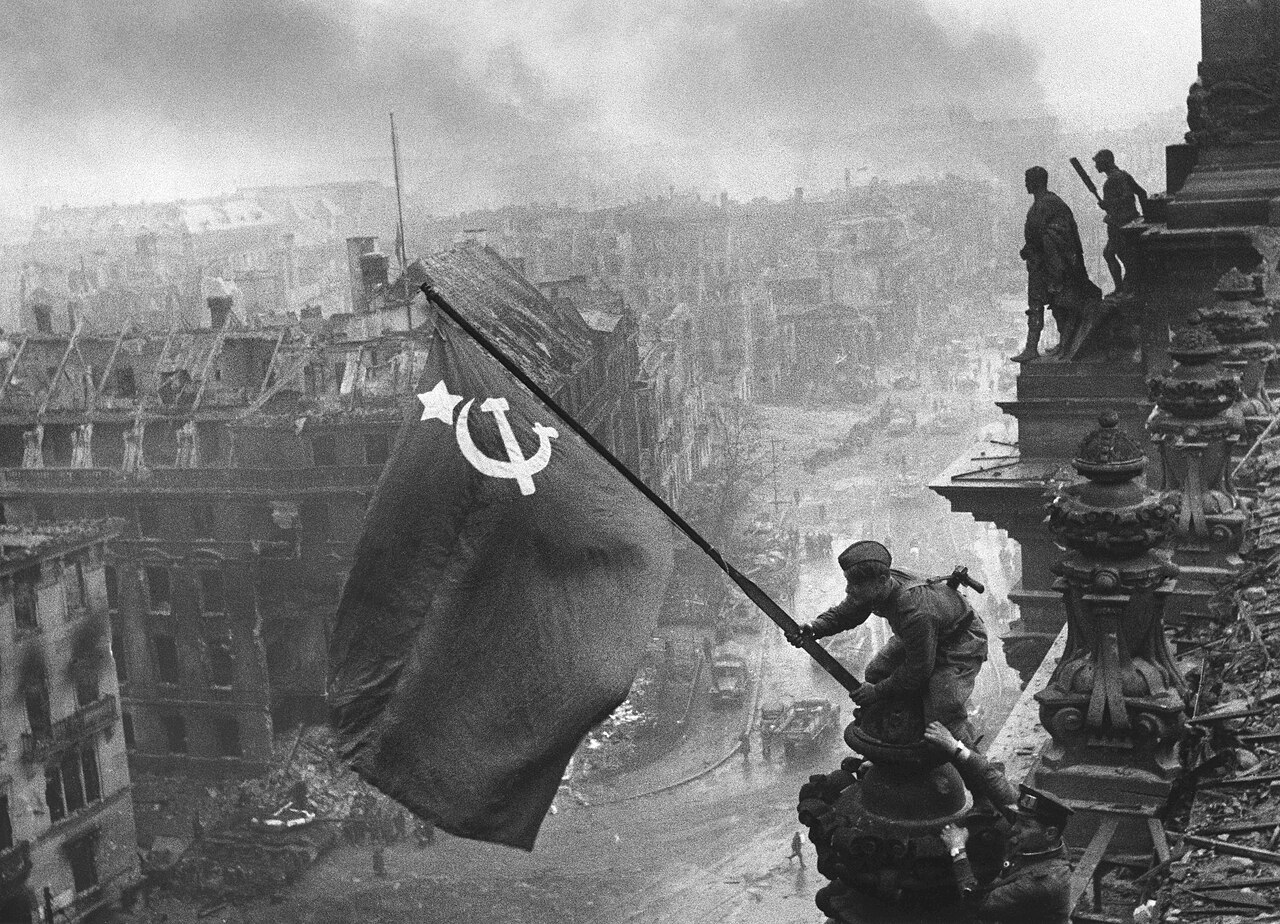
The picture was later amended to obscure the officer wearing a watch on both wrists.
Photograph: Sovfoto/Universal Images Group/Shutterstock
From The Guardian May 2024: A Russian soldier raises a Soviet flag over Berlin’s Reichstag in Yevgeny Khaldei’s well-known 1945 photograph of wartime triumph.
But in the original image, the officer standing below can clearly be seen wearing a watch on both wrists. Khaldei’s shot, first printed in a Moscow magazine, was quickly withdrawn and the extra watch, which might actually have been a military compass, was removed for safety’s sake. Looting was not a good look and was punishable by death.
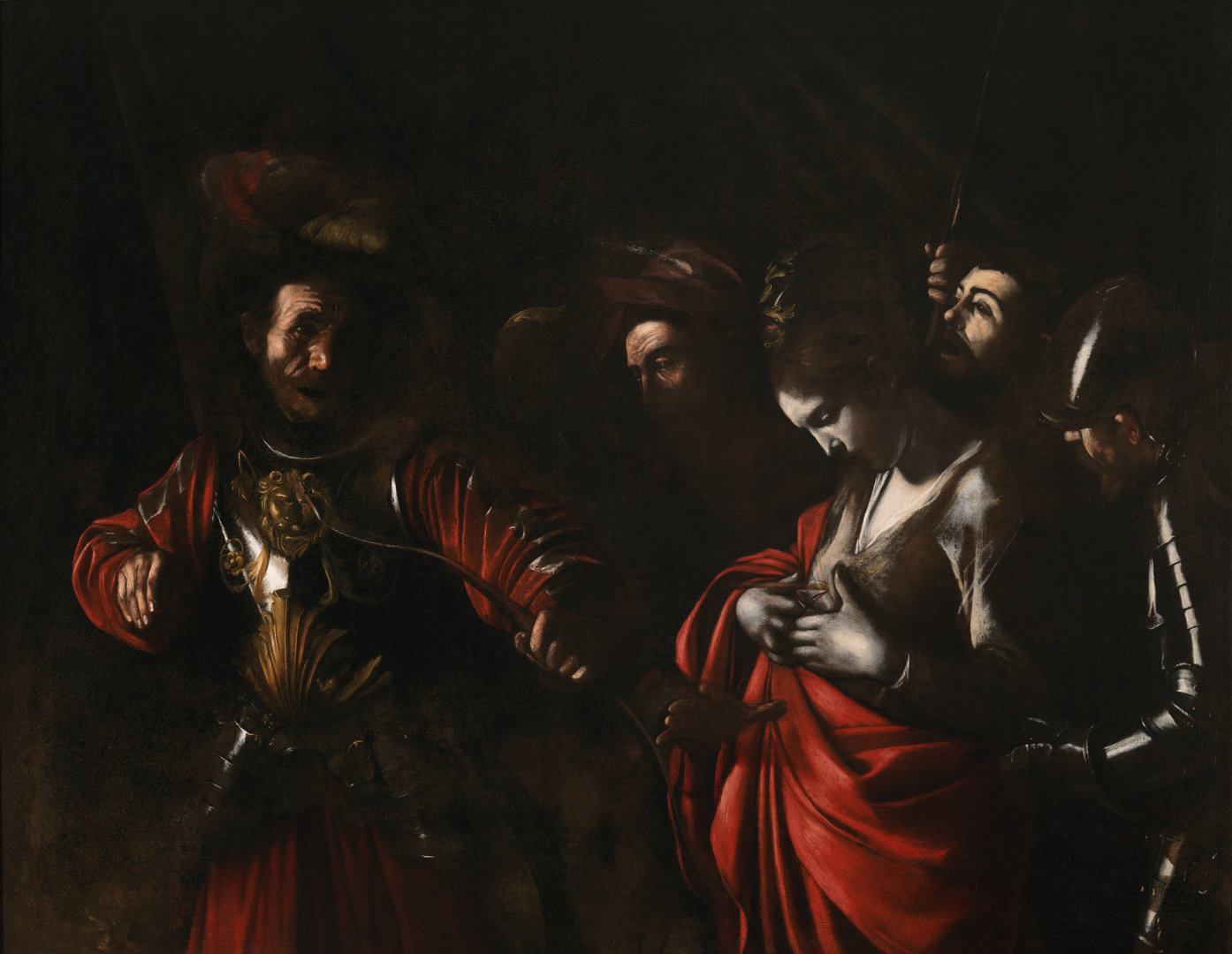
On display at the National Gallery, London, until 21 July 2024
From the National Gallery...
May 1610. Caravaggio is in Naples working on the last picture he’d ever paint.
Two months later, he died in mysterious circumstances. But it was during his final tumultuous years that Caravaggio made some of his most striking works.
His characteristic style includes tightly cropped scenes and dramatic lighting. He used real models with dirty feet and grimy fingernails.
Few paintings are better placed to tell the story of Caravaggio’s final years than his last-known work, ‘The Martyrdom of Saint Ursula’ (1610, Gallerie d’Italia, Naples). The painting is coming to London for the first time in 20 years.
We witness violence at uncomfortably close quarters. Caravaggio shows us an intricate interplay of guilty and innocent hands. And his own self portrait looks on, helpless.
Click to enlarge…

According to legend, Saint Ursula traveled with eleven thousand virgins to Cologne, where the chief of the Huns besieging the city fell in love with her. When she rejected his advances, he killed her with an arrow. In this haunting depiction, Caravaggio places the two figures improbably close to each other, maximizing the contrast between their expressions: Ursula’s perplexed gaze at the agent of her martyrdom; the tyrant’s conflicted reactions of rage and guilt. Caravaggio includes himself as a spectator, straining for a glimpse, while another figure thrusts his hand forward in an abortive effort to prevent the saint’s execution. The exaggerated contrasts between dark and light seem not merely a dramatic device but a symbolic allusion to sin and redemption, death and life.
From TheMet
The legend of the martyred Saint Ursula and her 11,000 followers has kept a global audience intrigued for centuries. But who was Ursula? And did she ever really exist at all?
Historians have attributed Ursula to various periods between 300 – 600AD, although it is generally agreed that Ursula was of Romano-British descent and that prior to her untimely demise she was betrothed to a man of high rank and was travelling to be united with her intended.
Unfortunately Ursula and her travel companions – said to be anywhere between 11 and 11,000 virgin maidens – found themselves in the city of Cologne in Germany, where they were cruelly massacred for refusing to copulate with or marry the invading Huns, a nomadic race from Central Asia who conquered much of Europe in the fourth century.
Whilst some historians have argued that Ursula was completing a holy pilgrimage through Europe to Rome before her marriage, it has also been said that the ships on which the women were travelling were caught in a storm and shipwrecked far from their intended destination. The survivors were subsequently taken prisoner and savagely beheaded, whilst Ursula their leader was said to have been shot by an arrow by the leader of the Huns.
From Historic UK
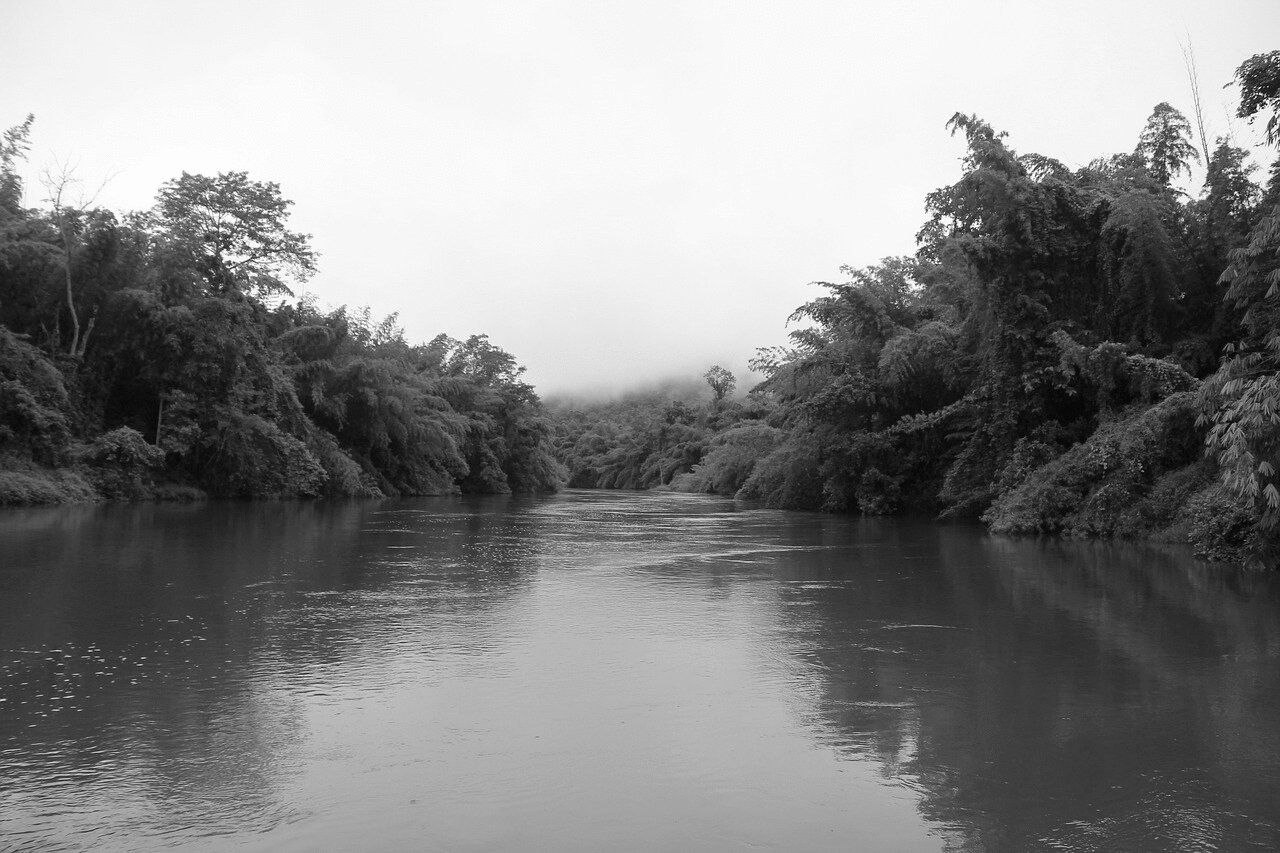
And this stillness of life did not in the least resemble a peace. It was the stillness of implacable force brooding over an inscrutable intention. It looked at you with a vengeful aspect.
Joseph Conrad
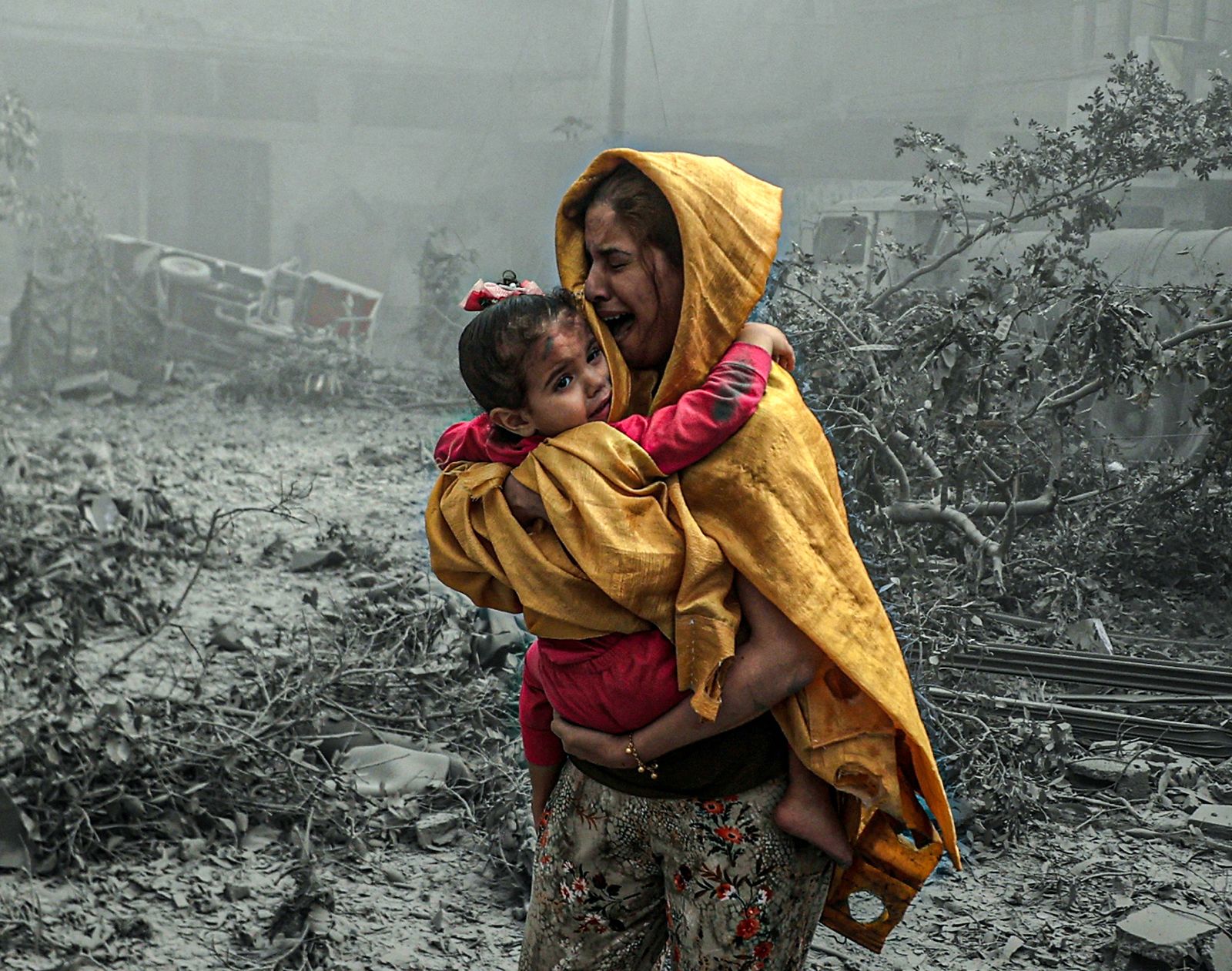
Photographer Ali Jadallah documents the appalling violence that has gripped Gaza
Article here


